Learn More

Rental Minimum Standards, Safety and Compliance
The Victorian Rental Minimum Standards were introduced to ensure that every rental property across the state meets a basic, legally enforceable level of safety, comfort, and functionality. These standards form part of Victoria’s broader rental reforms and apply to all residential rental properties, including houses, units, apartments, and rooming accommodations.
Designed to protect renters and provide clarity for rental providers, the Minimum Standards outline what a property must include and how it must perform before it can be leased. They cover key areas such as security, heating, ventilation, lighting, electrical safety, kitchen and bathroom facilities, window coverings, structural integrity, and more.
Compliance with these standards is not optional. Rental providers must ensure their property meets all requirements at the start of a new agreement and maintain these standards throughout the tenancy. Failure to comply can result in compensation claims, repair orders, or penalties under the Residential Tenancies Act 1997 (Vic).
Understanding these standards is essential for rental providers seeking to maintain a legally compliant, safe, and competitive investment property—and for renters to be informed about their rights to a secure and habitable home.
What are the current Rental Minimum Standards?

There are currently 15 Rental Minimum Standards that all Victorian rental properties are legally required to meet. Importantly, from 25th November 2025 onward, properties must comply with these standards before they can be advertised for lease. These requirements are outlined in Schedule 4 of the Residential Tenancies Regulations 2021.
To gain a clear understanding of what each standard involves, as well as any applicable exemptions, we encourage you to review Schedule 4 – Rental Minimum Standards in detail. These standards will expand on 1 December 2025 to formally include corded blind safety, requiring all corded window coverings to be fitted with compliant cord anchors. While this safety measure has been recommended since 2014, it will now form part of the enforceable minimum standards.
Consumer Affairs Victoria has strengthened its compliance program, and these standards are now actively enforced through fines and spot audits. A specialised taskforce is currently reviewing agencies and advertised properties to ensure full adherence to the legislation.
As part of our commitment to best practice, your Property Manager will continue to monitor all visible elements of the minimum standards during routine inspections. However, some requirements fall outside the scope of what we can legally or professionally assess, including, structural soundness, mould or dampness relating to the building’s structure, water efficiency, energy ratings, and other technical or specialist standards.
Because these areas require formal qualifications and documented evidence, we strongly recommend arranging a Rental Minimum Standards Assessment through a suitably qualified professional. This will ensure your property meets all current legal obligations and assist you in preparing for the new standards coming into effect on 1 March 2027.
If you would like guidance on arranging a professional assessment, please feel free to reach out—we are here to support you every step of the way.
Energy Efficiency Rental Minimum Stand ards coming into effect from 1st March 2027
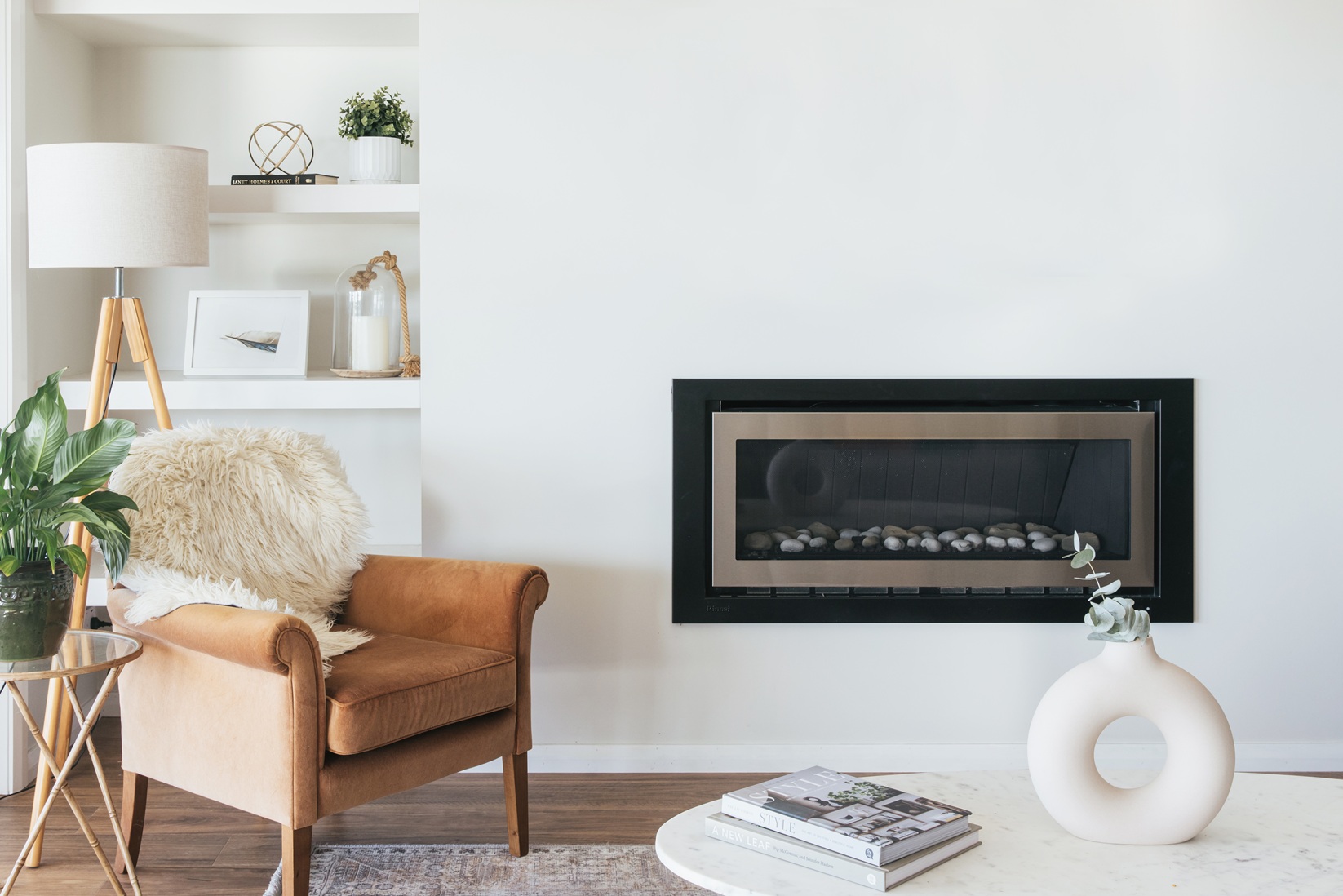
Starting from 1 March 2027, Victorian rental properties will be required to meet a new set of energy efficiency minimum standards aimed at making homes more comfortable and affordable for renters while reducing energy consumption. These standards focus on key areas including heating, hot water, cooling, insulation, and draughtproofing. Rental Providers will need to replace heating and hot water systems that reach the end of their life with energy-efficient electric alternatives, such as heat pumps or reverse-cycle systems. Ceiling insulation must be installed where none exists, and showers are required to have water-efficient heads. In addition, energy-efficient cooling must be provided in the main living area for new leases or when converting to periodic agreements.
The standards also require draughtproofing of external doors, windows, and vents to improve thermal efficiency, though exemptions exist in cases where safety or structural limitations prevent compliance. These reforms are phased, with some requirements tied to new leases or appliance replacement, while a broader rollout, including energy-efficient cooling in all main living areas, is expected by 1 July 2030. The overarching goal is to ensure rental homes are warmer in winter, cooler in summer, and more energy-efficient, helping to reduce utility bills for renters and supporting Victoria’s environmental targets. Financial assistance, such as rebates under the Victorian Energy Upgrades program, is available to help rental providers comply with these new requirements.
For more details, see Consumer Affairs Victoria – Energy Efficiency and Safety Standards.
What happens if your property does not meet the Rental Minimum Standards?
If a rental property in Victoria doesn’t meet the Minimum Standards, there are significant penalties under the law. According to Consumer Affairs Victoria, advertising a property when it is non‑compliant is a criminal offence. The maximum fine for individuals is more than $11,000, while companies (or corporations) can be fined up to around $59,000.
These penalties reflect the seriousness of the requirement: rental providers must ensure their properties meet the standards before a new renter moves in — not just once they’ve leased the home.
Compliance and Safety
Victorian rental providers must complete a series of mandatory safety checks to ensure their properties remain safe, functional and legally compliant. Electrical safety checks must be carried out by a licensed electrician at least every two years, covering the entire electrical installation, wiring, and switchboard. Properties must also meet the electrical minimum standard, which requires a modern switchboard fitted with circuit breakers and residual current devices (RCDs). Rental Providers must keep a record of each check and provide it to renters upon written request.
Gas safety checks are also required every two years for any property with gas appliances, fittings or fixtures. These checks must be conducted by a licensed gasfitter and include testing for leaks, verifying appliance operation, and reviewing ventilation and flues. As with electrical checks, records must be kept and disclosed to renters at the start of each new agreement or when requested in writing.
Smoke alarms must be tested at least once every 12 months. This includes confirming they are appropriately placed, operational, and compliant with current safety requirements. A suitably qualified professional must ensure batteries are replaced as needed and that alarms are functioning correctly at the beginning of every tenancy.
Record-keeping is a key part of compliance. Rental Providers must retain documents for each gas and electrical safety check until the next check is completed. They must also disclose the dates of the most recent checks to renters at the beginning of a lease or renewal. These obligations ensure transparency, safety, and accountability across the rental sector.
Reference Notes
- Fact Sheet: Renters rights when a property does not meet the Rental minimum Standards.
- Rental Reforms Frequently Asked Questions
- Current Rental Minimum Standards & Safety Requirements
- Preparing Your Investment for Lease
- Rental Minimum Standards Checklist
- Rental Taskfore Press Release 21/03/2024
- Renting A Home Guide for Renters
- Latest Victorian Rental Reforms Digital Booklet